
Planning a once-in-a-lifetime safari can be thrilling, but understanding Tanzania safari pricing can feel daunting. With a wide range of options available, from basic camps to luxurious lodges, different safari routes and transport styles, costs can vary significantly.
The price of a safari in Tanzania can range anywhere from $2,500 to $25,000+ per person, depending on your preferences. Whether you are planning a short adventure or a luxury escape, your total costs will depend on a few key components and knowing what to look for can help you make better decisions.
How much does a safari really cost? In this guide, we’ll break down what influences the cost of a safari in Tanzania and help you understand what to expect and how to compare different options confidently to find true value in your journey.
How Much Does a Tanzania Safari Cost?
Safari prices in Tanzania are usually calculated on a per person/day basis. Below is a quick breakdown of the typical costs associated with each comfort level:
- $350 – $500 per person/day for a mid-range safari
- $600 – $1,200 per person/day for a luxury safari
- $1,500+ per person/day for a fly-in safari with top-notch lodges
These average day rates include park entrance and overnight fees, accommodation and meals, transportation in a 4×4 vehicle with professional guiding. The key factors that influence the price are your travel style, your accommodation choices, activities, and travel timing.
Looking for a quick overview? Here’s what you need to consider when comparing Tanzania safari prices.
Key Factors That Influence Safari Pricing
1. Type of Transport
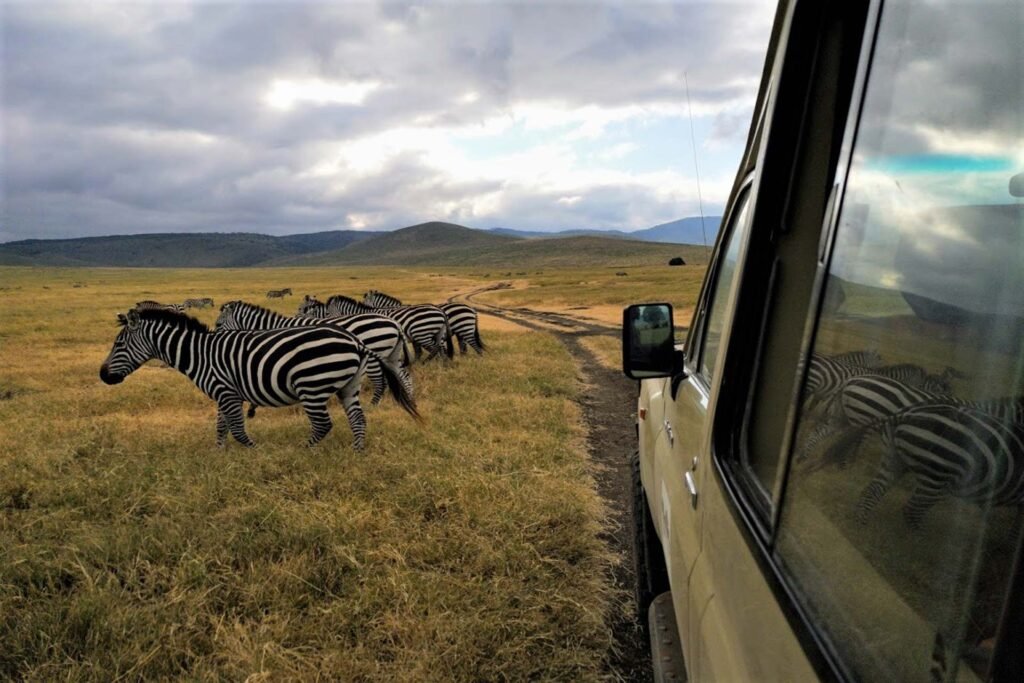
Most travellers in Tanzania move between parks by 4×4 safari vehicles – either on a private safari or a shared group adventure (which yes, is less in price, but brings other challenges). At Tanzania Safari Bug, we only offer private safaris – our comfortable vehicles offer excellent game viewing with roof hatches and large windows, ideal for accessing remote areas at your own pace with full flexibility over timing and stops.
However, if you’d like to cut down on road travel time, fly-in safaris are an option. While flying between parks can be more time efficient, it significantly increases the cost.
A road-based safari remains the most popular, and budget-friendly, way to explore.
Our Travel Tip: Travelling just before or after the peak season often gives you fewer crowds and excellent value.
2. Accommodation Standard and Location
One of the biggest factors in Tanzania safari cost is accommodation. Tanzania offers a wide spectrum, from rustic bush camps to luxurious, all-inclusive lodges.
- Accommodation inside the National Parks generally cost more (as it includes additional park overnight fees) but give you immediate access to early-morning game drives.
- Accommodation outside the park gates may reduce your costs slightly but involve longer transfers into key wildlife areas.
Remember: True luxury lies in the experience, not just the amenities. A simple camp in a stunning, but remote setting can feel far more luxurious than a polished lodge.
3. National Parks
Each park in Tanzania has its own entrance fee, which directly affects the cost of your safari:
- Serengeti and Ngorongoro Crater are among the most iconic, and expensive, destinations.
- Tarangire, Lake Manyara and for example Mikumi and Ruaha in Southern Tanzania offer beautiful landscapes and abundant wildlife at slightly lower rates.
- Western Parks are far from the standard route and require domestic flights, but stand out with their pristine wilderness and exclusivity.
Our Travel Tip: If you’re looking to balance cost and experience, combining a premium park with a lesser-known gem can be a great option. You can still enjoy exceptional wildlife while balancing your travel budget.
4. Activities Beyond Game Drives
Game drives are the heart of every safari, but Tanzania offers much more:
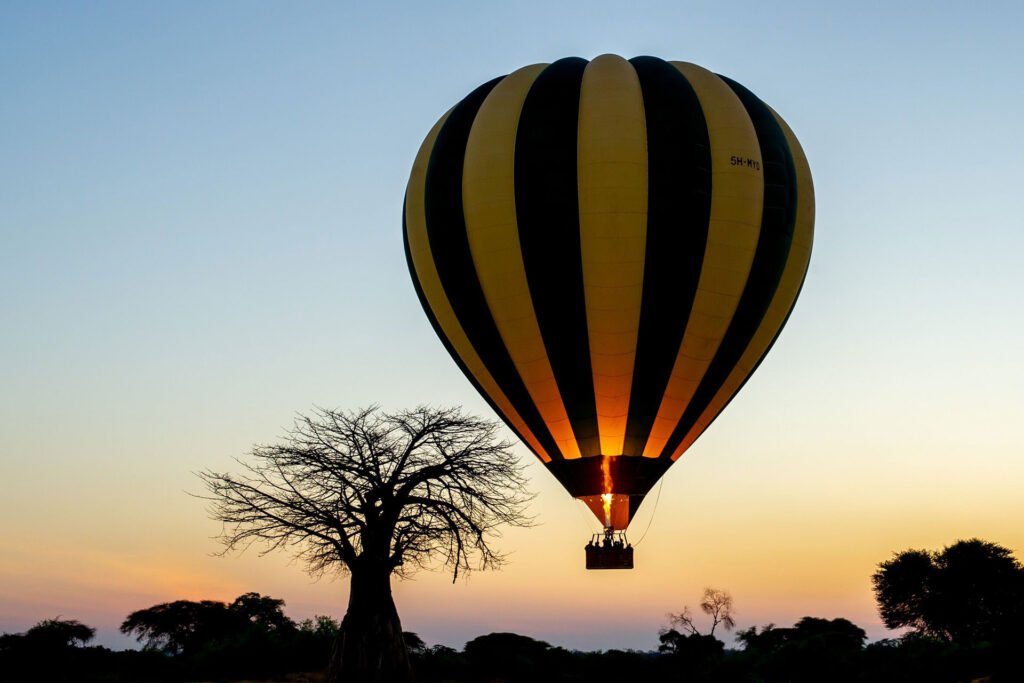
- Hot Air Balloon Safaris (Serengeti sunrise flights are our favorites and a true bucket-list moment).
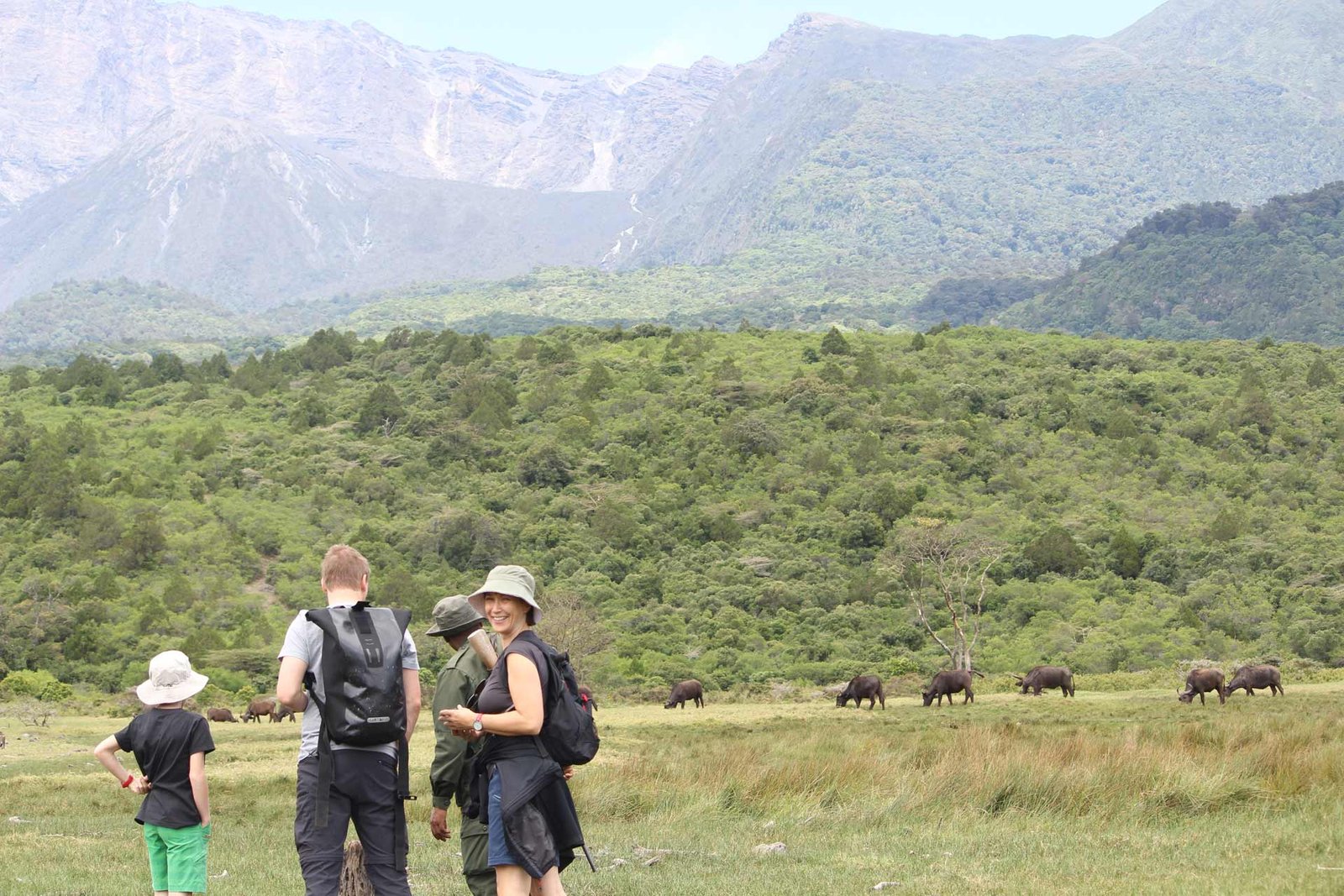
- Walking Safaris with trained guides for a deeper/ground-level connection with nature.
- Canoe & Boat Safaris – glide across the lakes of Arusha or along the Rufiji River in Nyerere for a different perspective on wildlife.
- Engage with local communities, visit a Maasai village or spend time with the bushman tribes for a genuine cultural exchange
Our Travel Tip: These add-on activities elevate your safari from a trip to a meaningful journey, but should be planned and budgeted for in advance.
Other Factors That Influence Cost
Beyond the core elements, there are a few more factors that affect Tanzania safari pricing:
- Number of Travellers: Our 4×4 vehicles take up to 6 guests comfortably. The more people in your group, the lower the per-person cost, making private travel surprisingly affordable for families or a group of friends.
- Length of Safari: The number of days matters but so does pacing. Each day involves fixed costs like vehicle and park entrance fees. However, a 10-day trip gives you time to enjoy multiple parks without rushing and offers better value than a squeezed shorter trip.
- Extensions to the Beach: Many travelers end their safari with a beach escape. It’s not just a dream, but smart budgeting as it helps to balance your overall costs. Zanzibar remains the most popular choice, but if you are craving remoteness, then the quieter islands of Mafia and Pemba may suitably be an option.
- Travel Season: Tanzania is a year-round destination, but prices fluctuate with demand. Here’s a quick breakdown:
- High Season (June–October): Dry weather, peak wildlife viewing but higher prices.
- Shoulder Season (March & November): Fewer crowds but excellent value with slightly lower rates.
- Low Season (April–May): Wet season with the most affordable rates, fewer safari-goers and green landscapes.
- Festive Peak (Christmas & New Year): Prices spike significantly and availability is limited – therefore, early planning is key.
Example: 12-Day Tanzania Safari and Zanzibar Cost
One of our most requested options is a 12-day Tanzania safari and Zanzibar combo, which combines Tanzania’s famous Northern Circuit with a laid-back beach stay in Zanzibar. While exact prices depend on group size, accommodation level and travel month, here’s a ballpark good value idea based on four travellers in High Season:
- Classic Safari + Beach Package: from $3,570 per person
- Includes 1 night in Arusha and 6 nights on safari in Northern Tanzania, followed by 4 nights of beach relaxation in Zanzibar
- Customisable with different lodges, from classic tented camps to hand-picked boutique retreats; and extensions to the West-Kilimanjaro region for scenic hikes or additional nights in Stone Town for cultural exploration
Want to see a comprehensive example? Download a sample itinerary – it’s free and gives you a first idea of what’s possible to start customising your Tanzania adventure.
Download the Sample Itinerary (PDF)
Comparing Tanzania Safari Prices: What to Look For
When comparing safari offers, it is easy to get caught up in numbers. But two itineraries that look identical on paper can deliver completely different experiences. A cheaper offer may leave out key activities, while a more expensive one might include hidden luxuries.
At Tanzania Safari Bug, we know that no two safaris are alike. Some guests dream of a secluded wilderness escape, while others prefer a touch of comfort and slower pacing. Our role is to help you understand what you are paying for and make sure that your safari reflects what truly matters to you.
1. Safari Route & Pacing:
A well-crafted safari itinerary balances adventure with time to enjoy. Some safaris race you through too many parks, leaving little time to connect with your surroundings. A slightly higher-priced safari might include a smarter route and/or a short scenic flight that saves hours of driving.
Ask questions like:
- How long are the actual driving times between each destination?
- How many nights are spent in each area – is there time to unwind?
- Are any internal flights included (or recommended), or is it driving overland?
At Tanzania Safari Bug, we design routes that feel unhurried allowing for more time in nature and less time in transit.
2. Lodge Location & Quality:
Where you stay shapes your experience in the wilderness. Camps and lodges inside the park let you head out early for sunrise drives, while properties outside the park gates are often more affordable, but involve longer drives.
Ask questions like:
- Are the properties inside or outside the park boundaries?
- Are the properties in the proposal just examples or based on a reservation?
- What is the comfort level and what is included in the overnight rate?
At Tanzania Safari Bug, we only include accommodation we know personally – lodges that deliver excellent service and meaningful experience.
3. Guide Expertise:
Your guide can make or break your journey! The best safari guides don’t just find animals, they read the bush, explain the animals’ behaviour and role in the ecosystem and invite you to explore the rhythm of nature and local culture.
Ask questions like:
- Is my guide directly employed or a hired freelancer?
- What level of experience and training do they have?
- Will it be the same guide throughout my safari?
At Tanzania Safari, every guide is handpicked for their passion, knowledge and care – team members we have worked with for many years and completely trust.
4. Transparency & Inclusions:
When comparing prices, look closely at what is included and what may not be included. Lower quotes sometimes leave out essential costs like park fees and domestic flights, while higher priced quotes include private vehicles and unique activities.
Ask questions like:
- Is the itinerary private or group-based?
- Are park fees, conservation levies and domestic flights included?
- What meals, drinks and activities are covered?
- What additional costs should be expected on the ground?
At Tanzania Safari Bug, our quotes offer full transparency – no hidden fees or extra surprises upon arrival. You will always have an overview of what exactly is included before you confirm your safari.
5. Sustainable Practices:
A safari should leave a positive footprint – for both the local people and wildlife. Choose a safari operator that supports local communities, pays a fair wage and partners with properties that invest in conservation.
Ask questions like:
- Do you work with locally owned lodges or larger international chains?
- Do you run any community-supported projects or conservation initiatives?
- Are guides employed and compensated fairly?
At Tanzania Safari Bug, we work with partners who share our values: sustainability, fair employment and authentic hospitality that benefits the communities you visit.
Final Tips: Booking a Safari That Fits Your Budget
A Tanzania safari isn’t just a holiday, it is a chance to reconnect with nature, take time to slow down and experience life in its purest form.
- Set a clear budget range but stay open to expert advice – small changes can improve your experience dramatically.
- Use “Prices from” estimates to gauge if an operator fits your expectations, then ask for a custom quote.
- Trust the process – planning a safari takes time, but it’s part of the adventure.
Our Promise
We believe that planning a safari shouldn’t feel daunting. When you travel with us, you have a partner by your side who listens, guides and designs a journey with intention. We will help you compare real options side by side, so your safari “investment” turns into a meaningful journey that feels personal and unforgettable.
Remember, at the heart of every safari lies something that can’t be measured by costs alone. Therefore, choose a safari that reflects your rhythm and curiosity.
Ready to plan your dream safari? Whether you’re dreaming of the Serengeti or relaxing on the beaches of Zanzibar, we’re here to help. Reach out today and let’s build the perfect itinerary – made just for you.